
Pool Plumbing Leaks
Underground suction and return lines may leak because of movement, damaged pipe, failed joints, age, or previous improper repairs.
Blue Wing Pool Service repairs swimming pool leaks involving plumbing, fittings, skimmers, returns, equipment, cracks, structural areas, water features, and other identified sources of pool water loss.

Pool leak repair is the corrective work performed after the source of swimming pool water loss has been identified. The repair may involve plumbing, pool fittings, equipment, skimmers, returns, lights, drains, cracks, water features, or another affected part of the swimming pool.
The proper repair depends on the location, accessibility, condition, and type of damage. Blue Wing Pool Service evaluates the identified problem and explains the recommended approach before repair work begins.
Pool leaks can develop in several systems and components. The repair should be selected according to the actual cause rather than based only on where water appears.
Underground suction and return lines may leak because of movement, damaged pipe, failed joints, age, or previous improper repairs.
Water may escape around the skimmer body, throat, fittings, connections, surrounding material, or damaged seals.
Return fittings and connected plumbing can develop leaks around seals, threads, connections, or surrounding pool material.
Light niches, conduit areas, seals, and nearby pool surfaces may allow water to escape.
Main drains, hydrostatic components, fittings, and nearby structural areas may require repair after the source is confirmed.
Cracks, separations, deterioration, and movement within the pool structure may create a path for water loss.
Pumps, filters, heaters, valves, chlorinators, unions, seals, and equipment plumbing may leak while the system operates.
Raised spas, waterfalls, fountains, spillways, and connected plumbing can have separate leak sources.
Deteriorated pool interiors, widespread cracking, or damaged surfaces may require repair or pool replastering.
Pool leak repair begins with understanding what has already been found and confirming the condition of the affected area. The exact process varies according to the repair location.
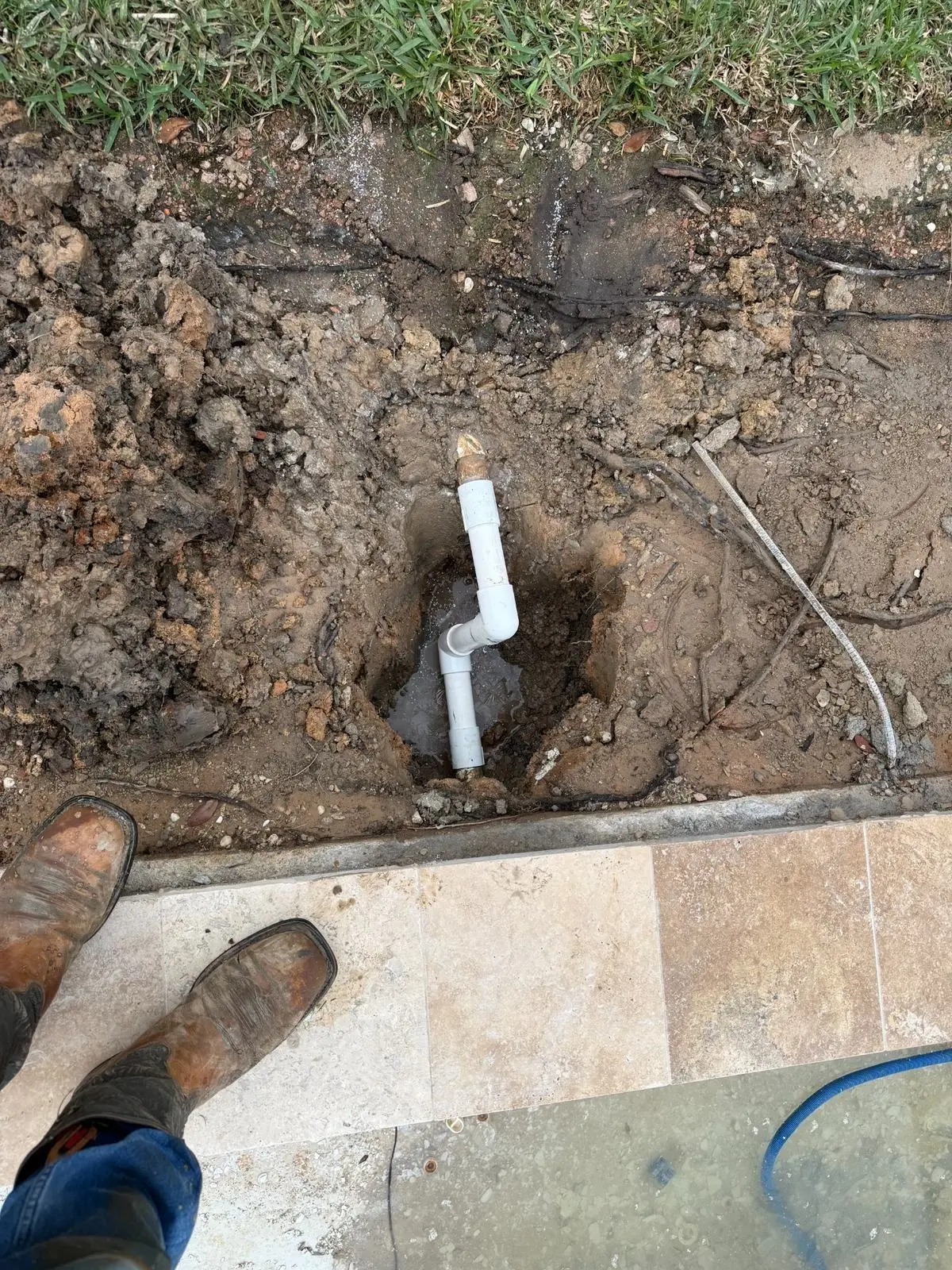
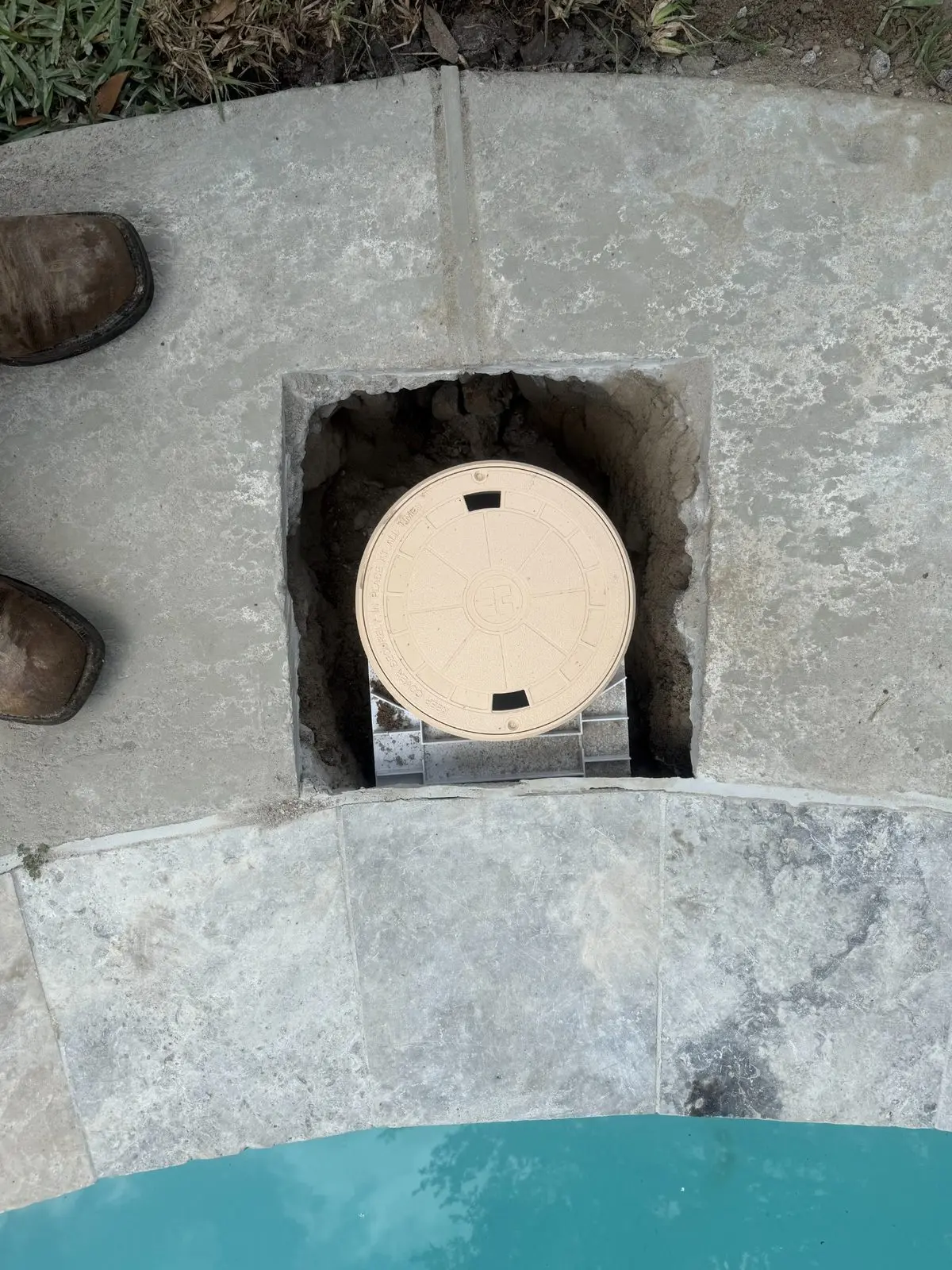
A swimming pool leak may require a small fitting replacement, targeted deck access, skimmer removal, underground pipe replacement, return-line repair, masonry work, or a more involved structural solution. The repair should match the confirmed source rather than relying on guesswork.

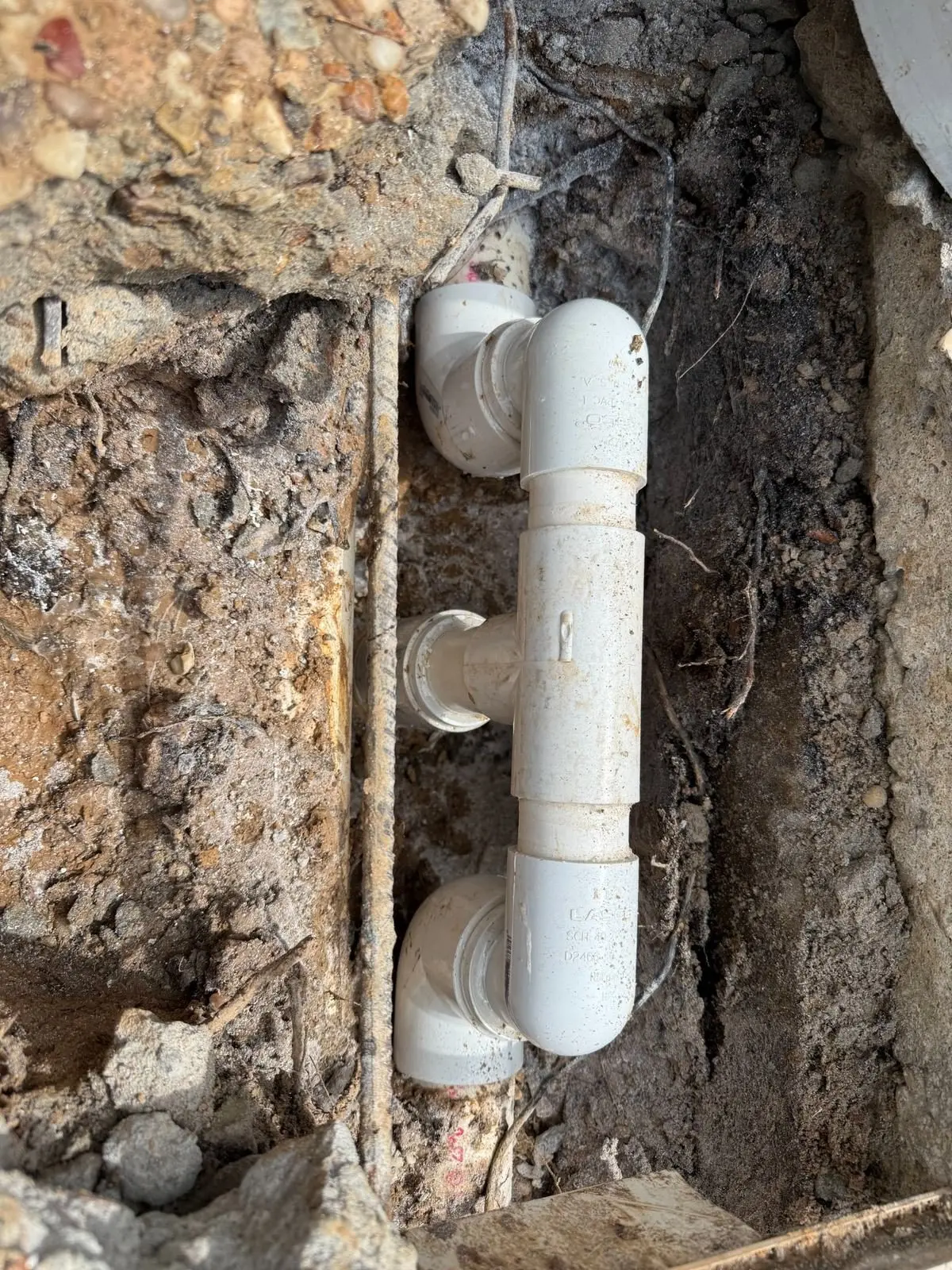

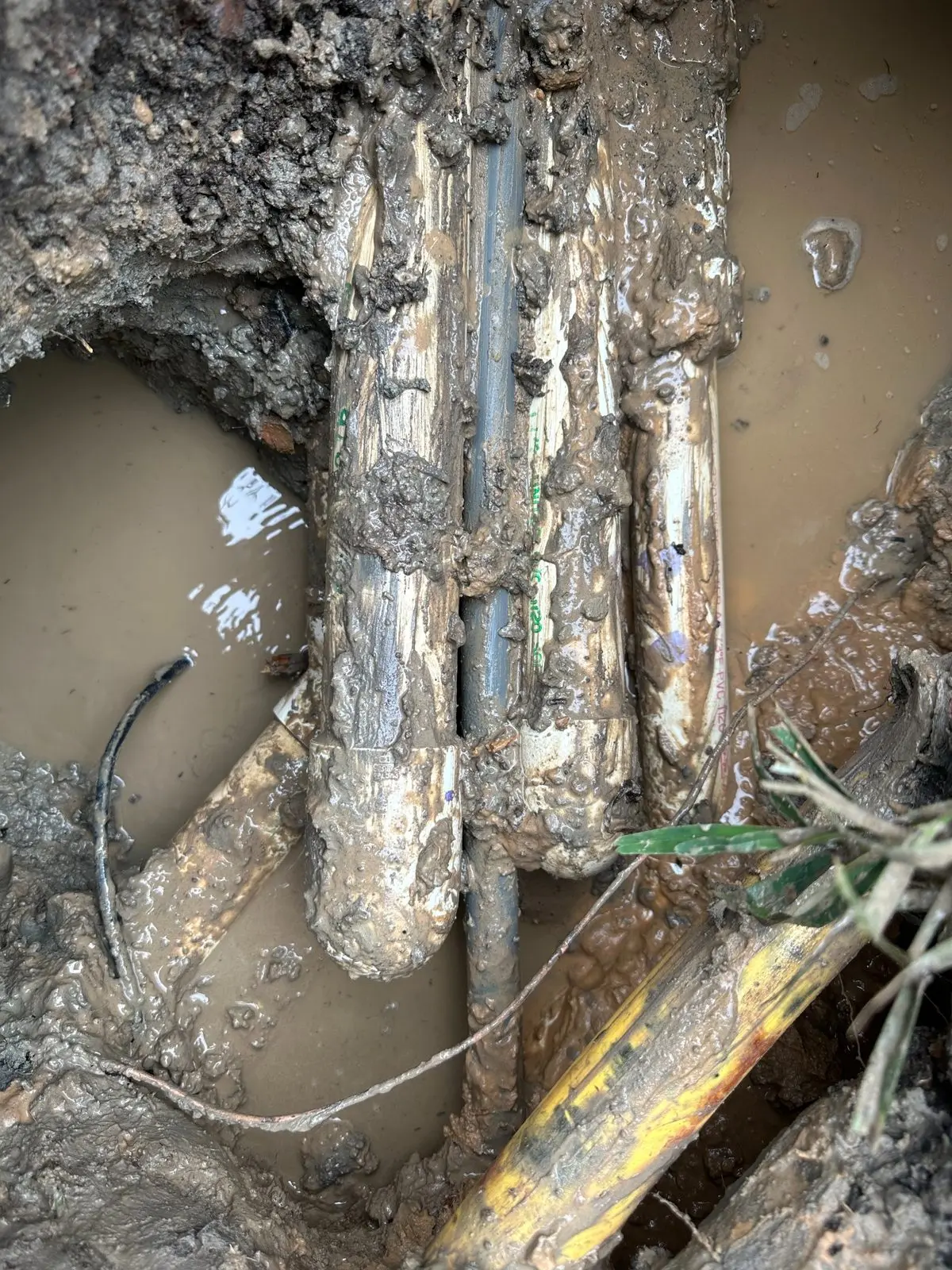
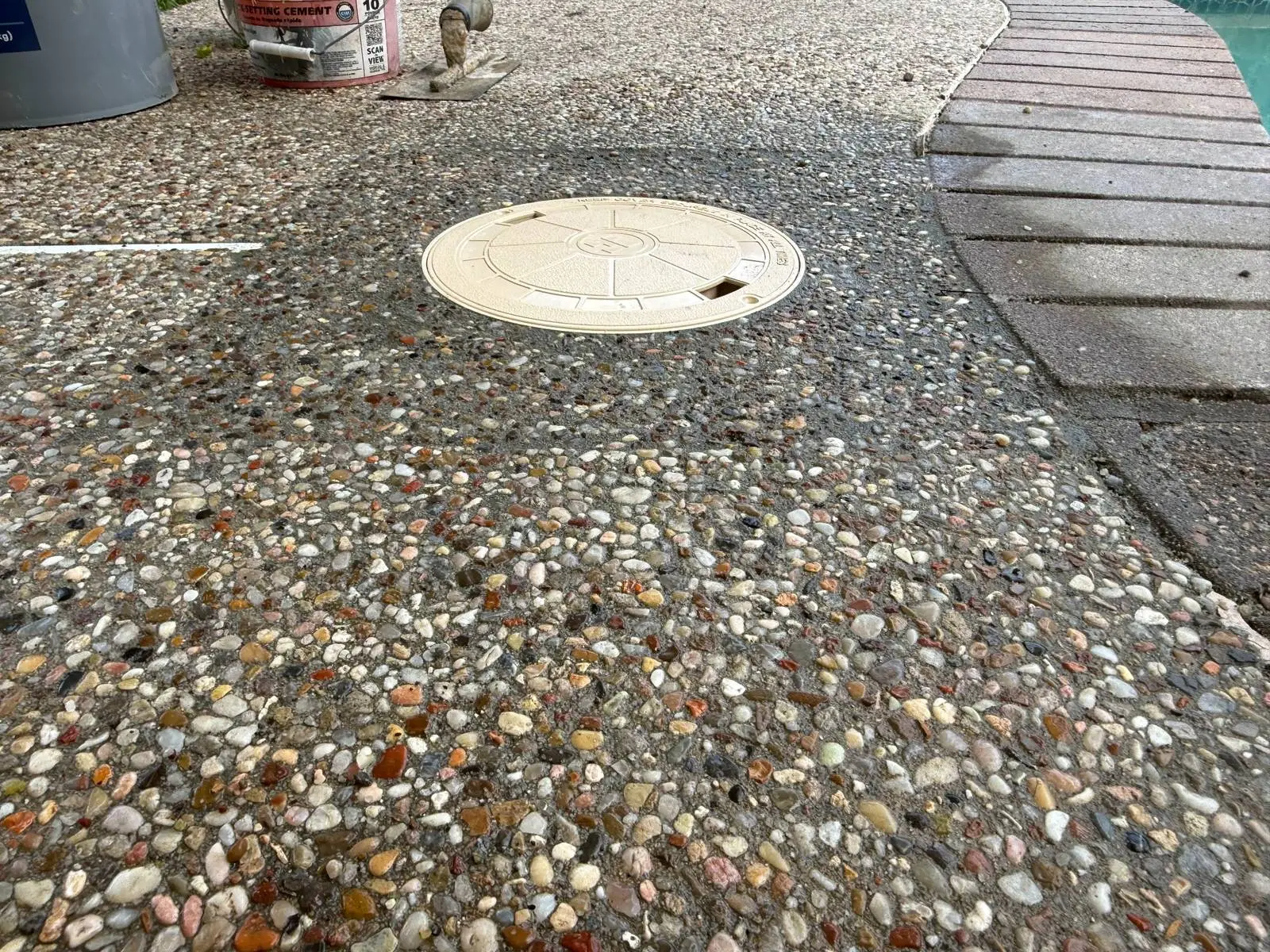
Damaged suction, return, spa, or feature lines can be exposed, cut out, replaced, and tested before backfilling.
Failed skimmer bodies, return fittings, seals, and wall connections can be repaired or replaced as needed.
Pumps, filters, heaters, valves, unions, and exposed plumbing may leak only while the circulation system is operating.
Cracks, bond-beam damage, coping separation, tile damage, and water-feature leaks may require specialized restoration.
Underground pool plumbing repairs often require access through soil, landscaping, coping, or concrete. The goal is to use the smallest practical access area while still providing enough room to remove damaged materials and create reliable new connections.
After the repair is completed, the line may be checked before the excavation is backfilled. Concrete, coping, tile, or other disturbed surfaces can then be prepared for restoration.
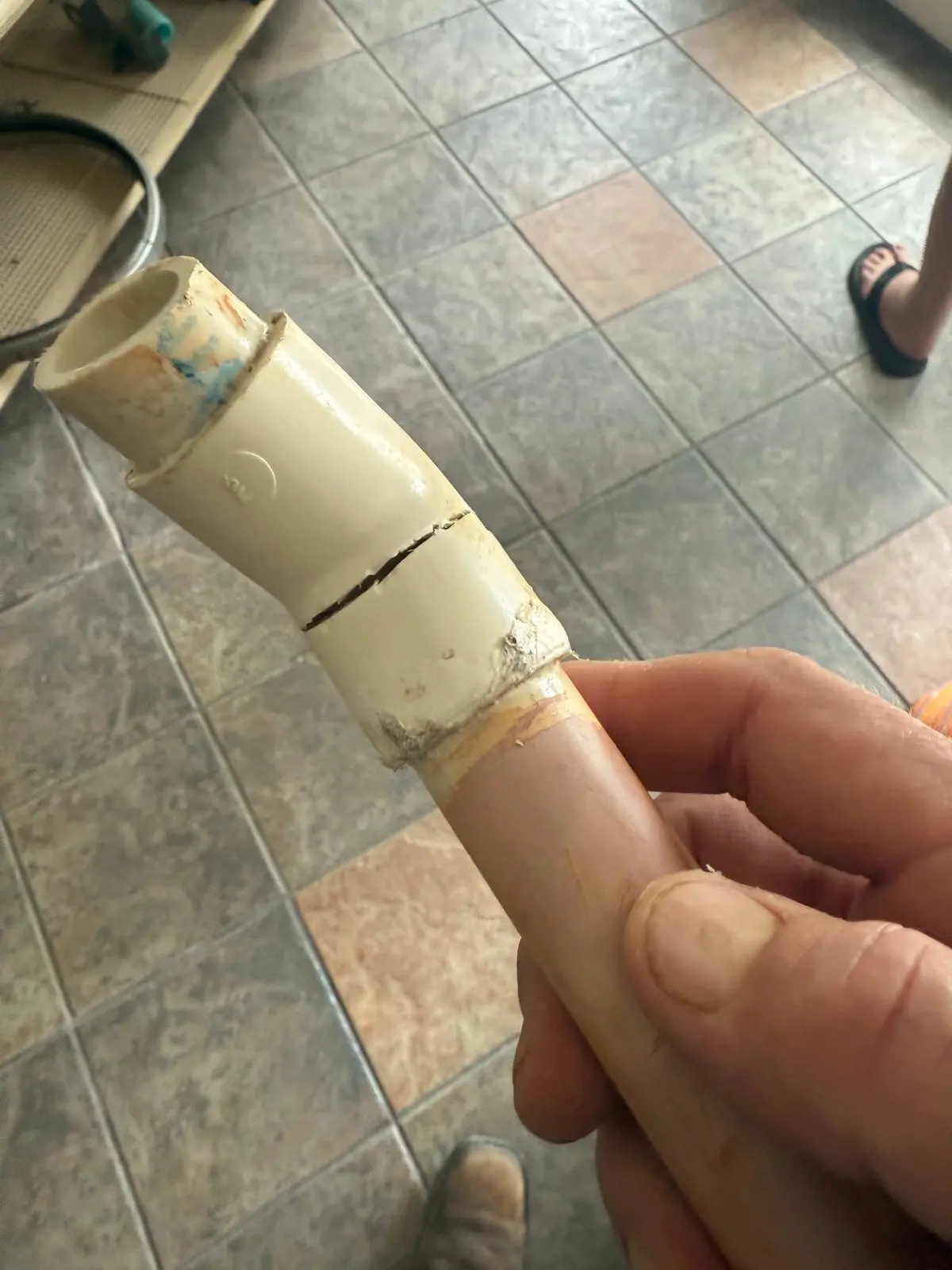
Pool leak detection and pool leak repair serve different purposes. Detection identifies where water is escaping. Repair corrects the affected component or area.
Pool leak detection investigates unexplained water loss and identifies or narrows down the location of the swimming pool leak.
Explore pool leak detection →Pool leak repair corrects the identified plumbing, fitting, equipment, crack, structural, or other source of swimming pool water loss.
Request pool leak repair →A pool leak may affect more than the water level. Continued water loss can increase costs, disrupt pool chemistry, and contribute to damage around the swimming pool.
Repairing the source can stop the repeated need to refill the swimming pool.
Reducing ongoing water replacement can make pool chemistry easier to maintain.
Escaping water may affect soil, decking, equipment, nearby structures, or damaged pool components.
Correcting plumbing or equipment leaks may improve circulation and system performance.
Blue Wing Pool Service provides swimming pool leak repair throughout Clear Lake and surrounding Bay Area communities. Select your city to view local service information.
In most cases, yes. The repair should be based on the actual leak source. Pool leak detection helps identify or narrow down where water is escaping before corrective work begins.
Repair options may be available for plumbing lines, skimmers, returns, fittings, lights, drains, pool equipment, cracks, structural areas, spas, water features, and other identified leak sources.
Underground swimming pool plumbing leaks can often be repaired, but the method depends on the exact pipe location, accessibility, condition, and type of damage.
Not every pool leak repair requires draining the pool. The required water level depends on the repair location and the work being performed.
Yes. Pumps, filters, valves, heaters, chlorinators, unions, seals, and connected equipment plumbing can leak while the pool system is operating.
Continued water loss may indicate that the original repair did not address the full problem or that another leak source exists. Additional pool leak detection may be appropriate.
Contact Blue Wing Pool Service for pool leak repair in Clear Lake, Texas and surrounding Bay Area communities.